How DD checks it What enterprise buyers need from healthcare — and how DD delivers it.
DD confirms the care setting, the reader or patient group, the privacy handling requirement, and who reviews the output before production starts. For hospital language access coordinators, that means modality, setting, and qualification confirmed before booking. For health plan vendor managers, that means scalable coverage with role-scoped access and QA logs for compliance review. For clinical research ops, that means back-translation protocols and reviewer qualification documentation available on request. For public health program managers, that means community-appropriate register and health-literacy-aligned content confirmed before production opens.
Patient-facing translation requires more than linguistic accuracy. Discharge instructions, consent forms, appointment reminders, medication guides, and multilingual registration forms must each reflect the correct clinical register, the reader's health literacy level, and the format the facility uses for patient records. DD confirms those parameters at request review: source document condition, target audience, care setting, review owner, and any format or layout requirements, before production begins.
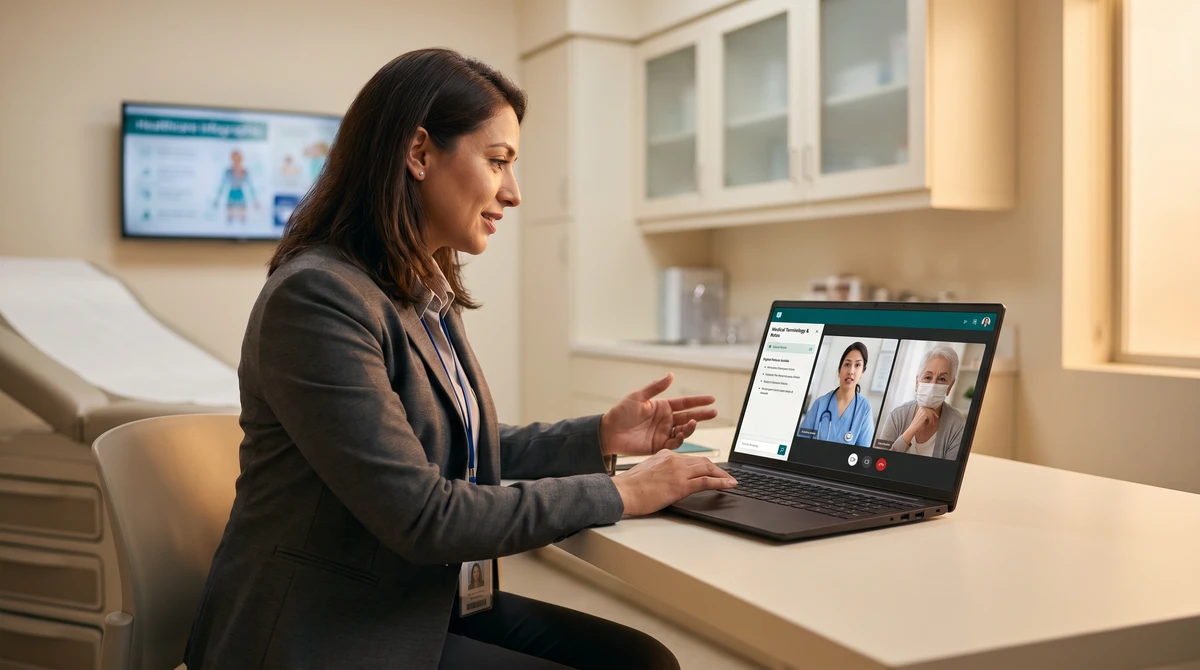
Medical interpretation involves setting-specific preparation that phone-on-demand services typically bypass. A clinical consultation, a discharge planning session, a behavioral health appointment, and a pediatric care conversation each require an interpreter who understands the care context, not only the language. DD confirms modality, setting, subject matter, participant count, platform or location, and any qualification or access requirement before booking is confirmed. That protects the care team from a mid-session discovery problem.
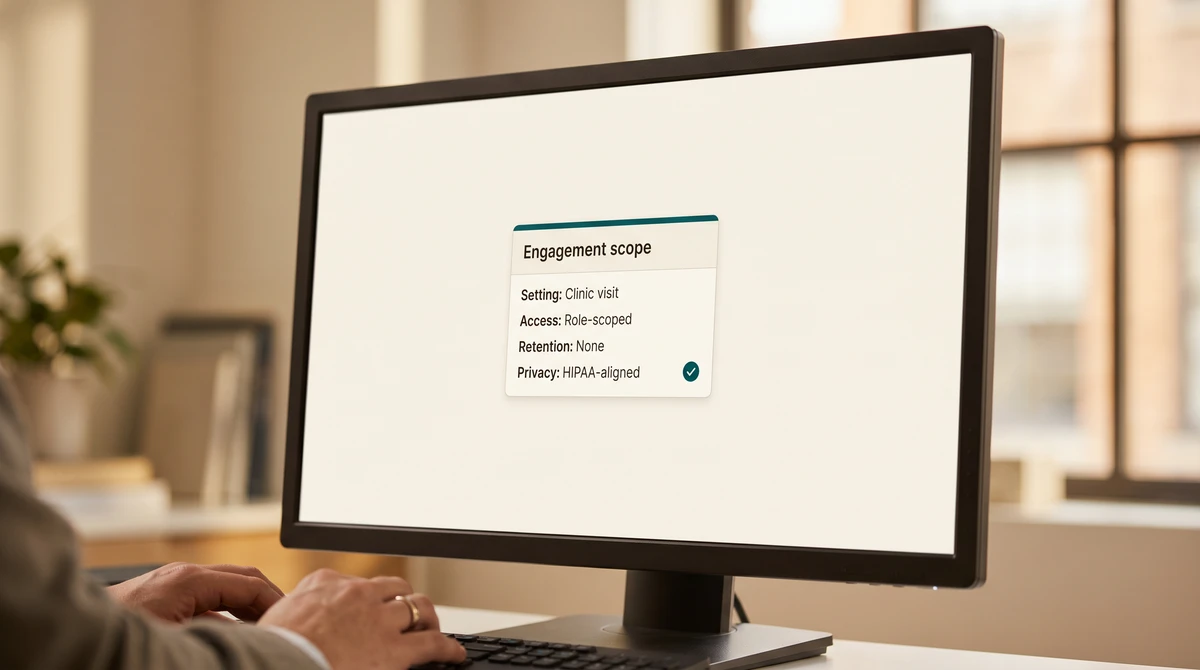
Data handling for healthcare content is structured around access control and no-retention principles. Linguists and interpreters access only the content assigned to them; access is revoked when the project closes. For sensitive clinical content, browser-only workflows are available: no download, no local copy, no screenshot. DD's information-security practices align with HIPAA access and privacy principles. Project scope confirms specific handling requirements at the start. DD does not hold HIPAA certification; buyers should confirm their own compliance workflow with counsel.
Clinical research, public-health outreach, and multilingual health media each carry additional requirements beyond standard translation controls. Research content may require back-translation protocols or reviewer qualification documentation. Outreach content must reflect the community's actual language register, not a standardized dialect. Multilingual health media such as videos, animated patient guides, and SDH-captioned materials requires the same watchability and accuracy review DD applies to commercial media work. Scope confirms which controls apply before production opens.