
Target-language coverage reviewed per request
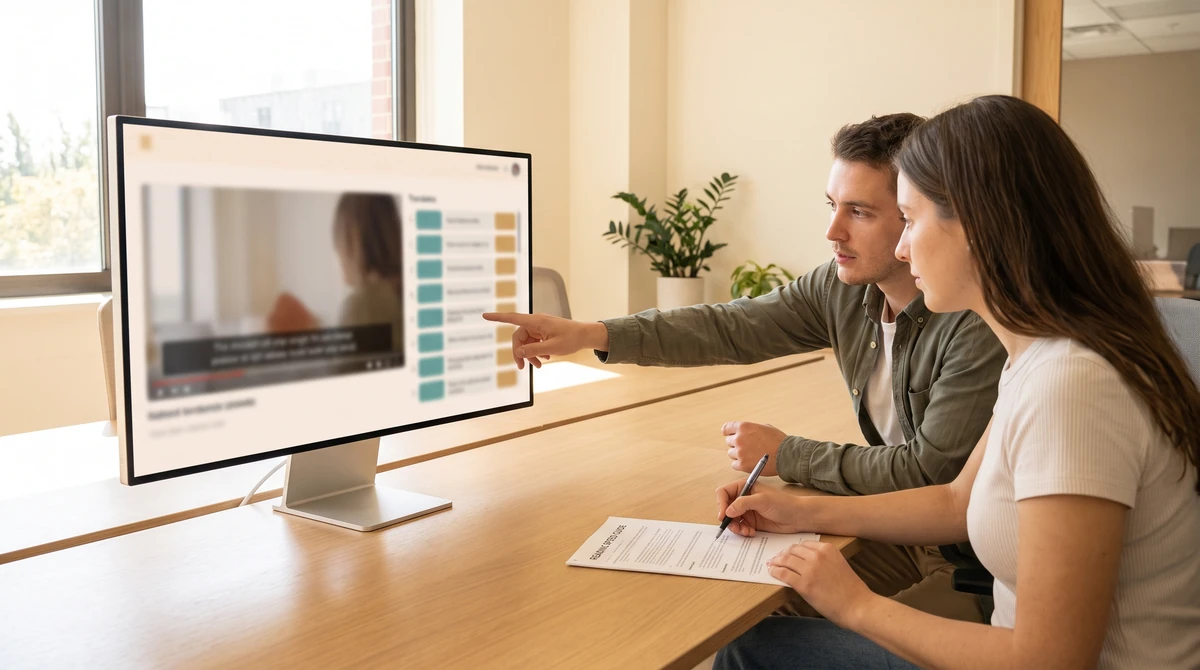
Subtitle translation
Scope subtitle translation with timing, reading-speed limits, and on-screen text settled first.
Move spoken content into target-language subtitles for video — with timing preserved, reading-speed and character-per-line limits checked per language pair, on-screen text handled, and platform-ready files delivered.
Upload files for a quote
Short form: name, work email, runtime, platform, target languages, and media files or links if ready.
Plus TTML and platform-specific exports
Delivery date confirmed in writing per scope before work begins
Reading speed and characters per line
Dynamic Dialects supports requests across 250+ languages with ISO 9001/27001 operating controls, ISO 17100 applied to translation scopes, 40,000+ vetted linguists, named project coordination, and written confirmation before production work begins.
Evidence for review
What DD can show before a buyer commits.
This is not a public case study claim. It is DD-owned evidence a buyer can request when the work needs vendor review before a scope is approved.
Ask for proof details- Buyer type
- Subtitle translation media producer, localization manager, or accessibility lead checking runtime, platform format, speaker rules, and output spec before production.
- Problem
- The buyer needs subtitle translation scoped by runtime, platform, target languages, speaker treatment, timing constraints, and output files before quote approval.
- Scope
- Subtitle translation work coordinated by DD with written request review, named PM ownership, and review records matched to the request type.
- Constraint
- This page cannot rely on a public case study yet; it must point to DD-owned proof artifacts and disclosure-safe process evidence.
- DD action
- DD confirms the inputs, missing details, staffing option, quality check, and delivery record before production work begins.
- Evidence available
- Private proof can include a request-specific checklist, redacted QA summary format, delivery record format, and sourcing or reviewer notes.
- Outcome
- The buyer can judge whether DD fits the requirement before sending production files or adding this service to a vendor shortlist.
- Disclosure status
- DD-owned proof only. Public outcomes require client approval; redacted process artifacts can be shared when terms allow.
How the work runs
-
Submit source video and scope
Send the source video or existing subtitle file, target languages, platform (YouTube, Vimeo, OTT, LMS, broadcast), required file format, and a recorded decision on on-screen text handling (translate, leave in source, or forced-narrative track).
-
Timing analysis and spec check
Timing is extracted or preserved from the source. Source audio quality is reviewed. Reading-speed expectations and platform spec rules (Netflix TTSG, BBC Subtitle Guidelines, FCC rules) are confirmed per language pair.
-
Translate with reading-speed limits
Translator works with timing preserved, reading speed (characters per second) and characters-per-line (CPL) checked per language pair. Line breaks are adjusted to fit the target language's natural cadence and expansion factor.
-
Reviewer pass
Second reviewer checks timing accuracy, reading-speed compliance, CPL adherence, on-screen text handling consistency, speaker labels, sound cues, and music tags against the source.
-
Deliver platform-ready files
Final subtitle files delivered in the requested format (SRT, VTT, TTML, platform-specific export) with timing preserved, translator notes on ambiguity, and a reading-speed report. On-screen text track or burn-in instructions included per scope.
What DD checks before quoting
- Source file review Completeness, legibility, format, and any visible damage or quality issues.
- Pair confirmation Source → target language, variant, dialect, and script requirements.
- Purpose check Receiving office, certification or notarization need, and deadline driver.
- QA plan Review type, sample size, sign-off owner, and any client-specific checklist.
- Delivery format File type, naming convention, storage method, and handoff protocol.
- Risk note Known constraints, specialist availability, and contingency if timing shifts.
Example scope — actual checks vary by project type and client requirements.
Each subtitle project starts with the source video or existing subtitle file, target languages, platform format, and reading-speed expectations confirmed in writing. Timing is preserved from the source unless retiming is part of the scope. Reading speed (characters per second), characters per line (CPL), and line count are checked per language pair so target-language text stays inside platform and accessibility guidelines (Netflix TTSG, BBC Subtitle Guidelines, FCC closed-caption rules where applicable). On-screen text (forced narratives, signs, lower thirds) is handled with a separate decision recorded per project. Turnaround for a 30-minute video into one target language is confirmed in writing per scope before work begins; multilingual subtitle packages and series work are quoted with a confirmed delivery date.
For media work, DD checks source quality, timing, platform format, speaker treatment, and output files before quoting.
What this page helps you send
- Marketing, product, and brand video subtitled for international audiences.
- Training, learning, and onboarding video for internal multilingual programs.
- Education, MOOC, and explainer video for course delivery.
- OTT, streaming, and broadcast content with platform-spec subtitle delivery.
- Existing SRT or VTT files translated into one or many target languages.
- On-screen text, forced narratives, signs, and lower thirds handled with a recorded scope decision.
- Open captions (burned-in) and closed-caption files for accessibility delivered together.
- Multilingual subtitle packages built from one source video with separate target-language files.
What you receive
- Translated subtitle file per target language (SRT and VTT, with TTML or platform-specific export on request).
- Timing preserved from source unless retiming is included in scope.
- On-screen text track or burn-in instructions per the project's scope decision.
- Reading-speed (CPS), characters-per-line (CPL), and line-count check against platform guidelines.
- Translator notes on speaker labels, sound cues, music tags, and any source-text ambiguity.
Questions teams ask first
What is the difference between subtitle translation, captioning, and dubbing?
Subtitle translation moves spoken content from one language into target-language on-screen text. Closed captioning is same-language access for viewers (includes speaker labels and sound cues). Dubbing replaces the source audio with target-language voice-over recorded to picture. A project often needs more than one — subtitles for fast international rollout, captions for accessibility, dubbing for premium localized releases — and they can be planned together.
What file formats are delivered?
SRT and VTT cover most web, social, LMS, and streaming workflows. TTML, DFXP, STL, and platform-specific exports (YouTube SBV, Netflix-spec timed text, broadcast STL) are available on request. The platform you are delivering to drives the format choice and the spec rules that the file must pass.
How are reading speed and characters-per-line handled?
Reading speed (characters per second, CPS) and characters per line (CPL) are checked per language pair because expansion factor varies — German, Russian, and Finnish typically run longer than English, while Mandarin and Japanese pack more meaning into fewer characters but face their own per-line limits. The defaults follow Netflix TTSG and BBC Subtitle Guidelines unless the platform you are delivering to publishes its own spec.
What about on-screen text, signs, and forced narratives?
Each project records a decision: translate on-screen text in line with dialogue, deliver a separate forced-narrative track, or leave source on-screen text untranslated. Forced-narrative tracks are common for OTT and broadcast delivery where signage and short non-dialogue text needs translation but should appear only when needed.
Can existing SRT or VTT files be translated into multiple languages?
Yes. Send the source SRT or VTT, plus the source video for context. Each target-language file is delivered with timing preserved, target-language reading-speed limits applied, and any line breaks adjusted to fit the target language's natural cadence. Multilingual subtitle packages are common for one-source-many-targets workflows.
How long does a subtitle translation take?
Turnaround for a 30-minute video into one target language is confirmed in writing per scope before work begins from receipt of clean source files. Multilingual packages, multi-episode series, and rare-language work are quoted with a confirmed delivery date in writing. Expedited turnaround is available for launch and campaign schedules.
Can subtitles be retimed or condensed?
Yes. Retiming, condensation (where target-language text needs to fit tighter timing than the source supports), and quality review against platform spec are scoped as part of the project rather than bolted on after.
What about accessibility (FCC, EAA, ADA)?
Same-language captions for accessibility, target-language subtitles for international viewers, and SDH (subtitles for the deaf and hard of hearing) are different deliverables. A single project can produce all three if the source video and target audiences are confirmed when you send the project details.